







Key Takeaways
- A soft water loop (also called a softener loop) is a pre-plumbed U-shaped pipe that makes installing and servicing a water softener easier.
- Arizona homes benefit because loops simplify installation, improve system efficiency, and reduce disruptions during maintenance.
- Newer homes often come pre-plumbed with loops, while retrofits can be added by a professional plumber to upgrade older homes.
- Though a softener can work without one, a loop provides better flexibility, isolation, and long-term convenience.
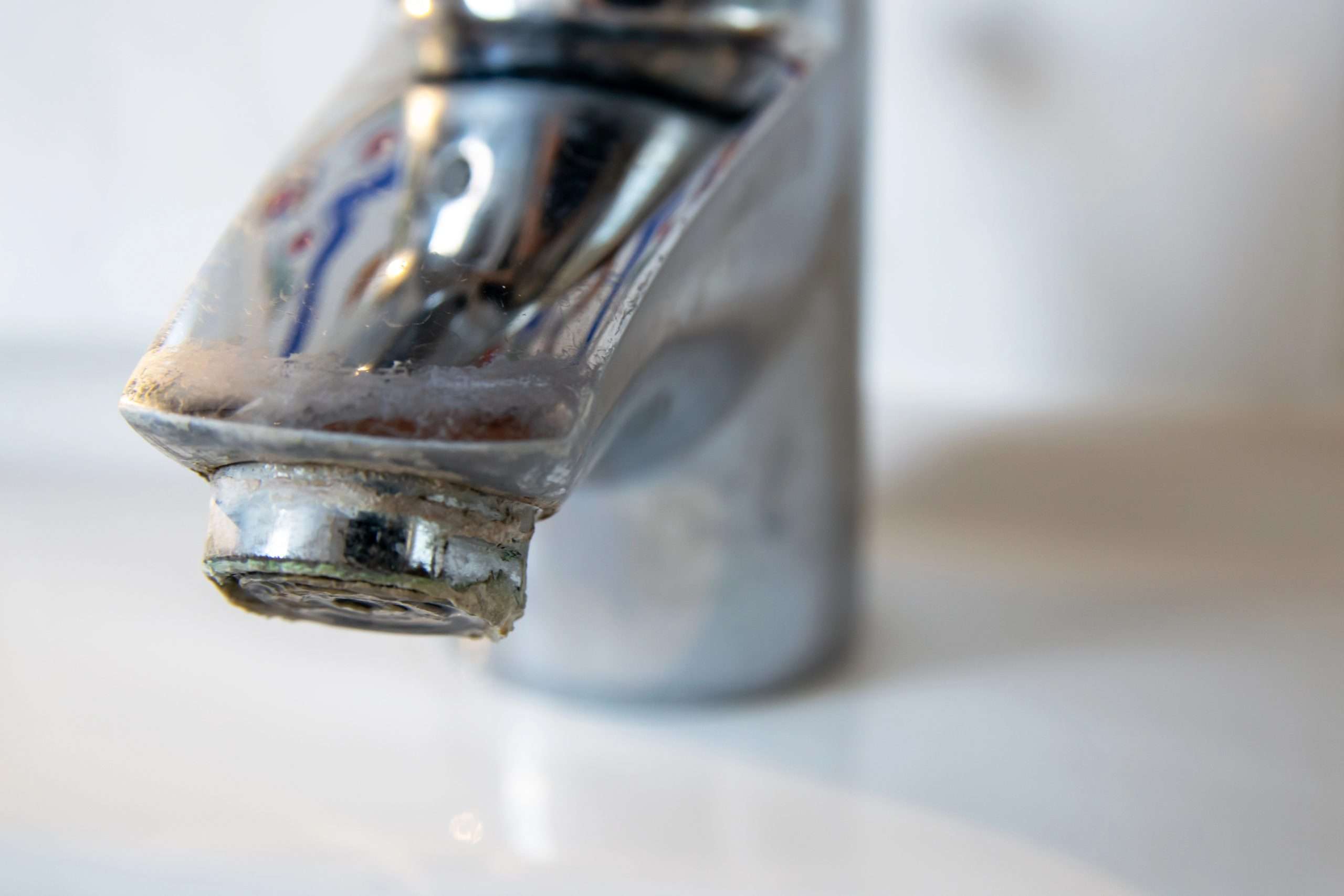
Arizona is known for its hard water—loaded with calcium and magnesium minerals that leave scale buildup on appliances, plumbing, and fixtures. This is why so many residents turn to water treatment systems for relief. At Clean H2O PRO'S, a veteran-owned company serving families across Phoenix and the surrounding Valley, we specialize in solutions designed specifically for Arizona’s tough water conditions. One often-overlooked feature that makes a big difference is the soft water loop.
But what exactly is a soft water loop? How does it work, and why do Arizona homeowners benefit from having one installed? In this guide, we’ll break down its purpose, how it supports efficient water softener use, and what to consider for new builds versus retrofits in existing homes.
Understanding What a Soft Water Loop Is
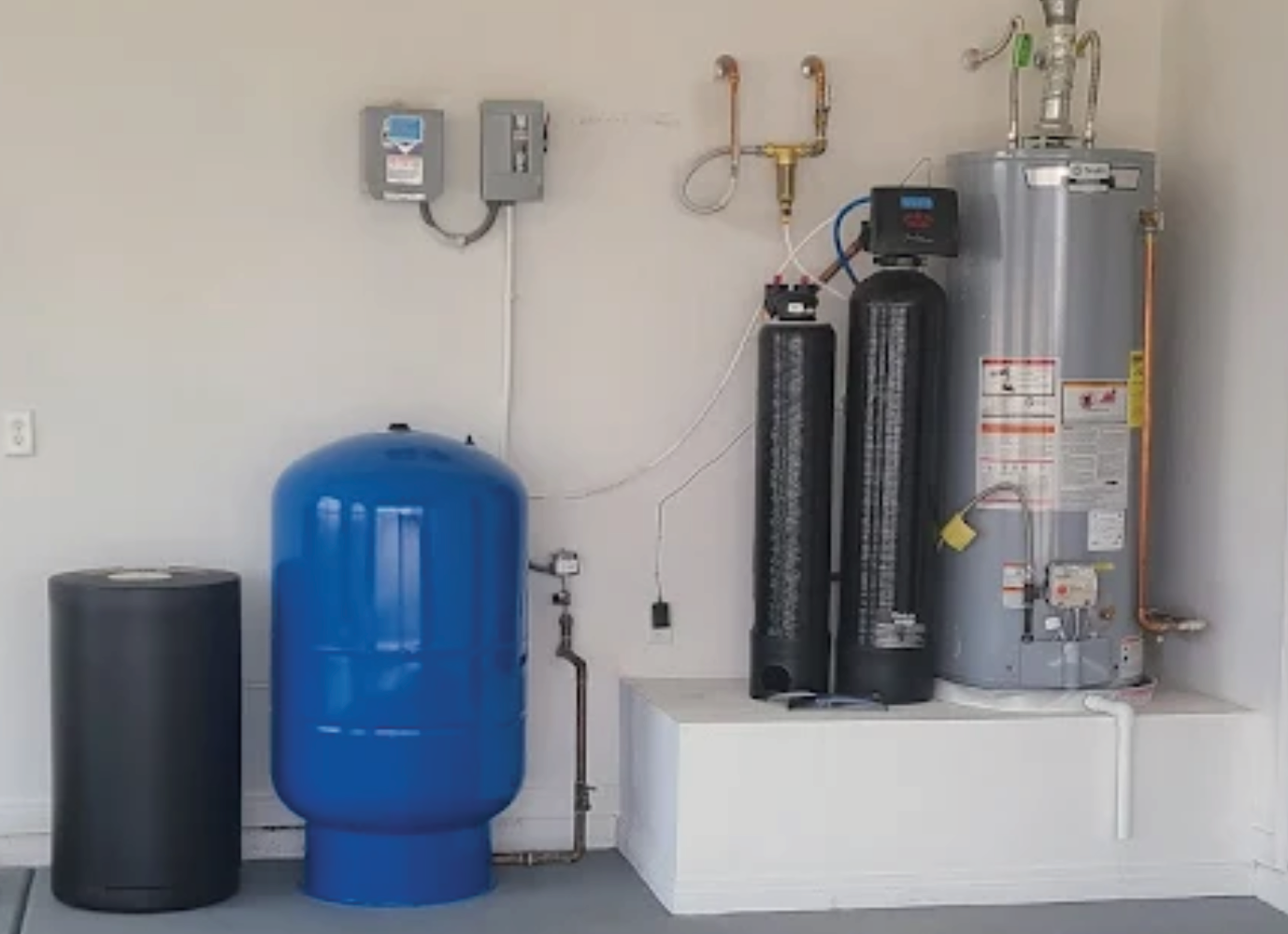
A soft water loop is a dedicated section of piping—often arranged in a U-shape—installed near where a water softener will sit (commonly by the water heater or main supply line). This loop creates a clear access point for the water softener, making installation and maintenance far easier than cutting into the main plumbing later.
By having this loop in place, professionals can isolate the softener from the home’s plumbing system for service or troubleshooting, while the rest of your home still has access to running water. The design also promotes proper water flow rates through the softener, ensuring it works at peak efficiency. Without a loop, integrating a softener is more complex and disruptive.
Why Arizona Homes Benefit from a Soft Water Loop
Arizona’s water is among the hardest in the U.S., with the City of Phoenix Water Services Department reporting average hardness levels between 158–344 mg/L (9.2–20.1 gpg). That falls into the “very hard” category and explains why homeowners across the Valley deal with scale buildup on plumbing, fixtures, and appliances. Installing a soft water loop helps simplify maintenance and protect your home from these issues.
- Streamlined installation – Builders often include pre-plumbed loops in new homes so a softener can be added without extra plumbing work.
- Fewer disruptions – With a loop, maintenance or repairs can be performed without shutting down the entire home’s water supply.
- Improved efficiency – Properly looped plumbing maintains the flow rates a softener needs to operate effectively.
- Flexibility for retrofits – Older homes can be upgraded with a loop by a professional, extending access to soft water benefits without re-piping the whole house.
Retrofitting vs. Pre-Plumbed Loops in New Homes
New construction in Arizona often comes with a pre-plumbed loop as a builder standard. This means the pipes, fittings, and location are already prepared for a softener—making installation fast and cost-effective. If you’re planning on building a new home, make sure you talk to your contractor about installing a soft water loop.
Retrofitting older homes requires cutting into the main line and adding the loop near the water heater or garage wall. While this adds some labor and cost, it ensures the homeowner has a dedicated connection point for their softener and reduces future service headaches. A retrofit is a one-time investment that makes water softener maintenance and replacements far easier.
Soft Water Loop vs. No Loop: Do You Really Need One?
A water softener can function without a loop, but installation tends to be more complicated. Without a loop, plumbers must splice into the main plumbing, which can lead to higher costs and greater disruption. A loop, on the other hand, keeps things clean, organized, and efficient.
If your home already has a loop, you’re set up for a hassle-free installation. If not, adding one during a softener upgrade is highly recommended to save time and money long term.
Professional Installation: Why It Matters
Professional installers ensure your loop is sized, sealed, and placed correctly for your specific home. They also ensure permits and code compliance are met, which is especially important in Arizona municipalities that regulate water treatment systems.
By choosing a professional, you avoid common issues like leaks, incorrect bypass placement, or poor water flow that can compromise softener performance.
Maintenance and Longevity
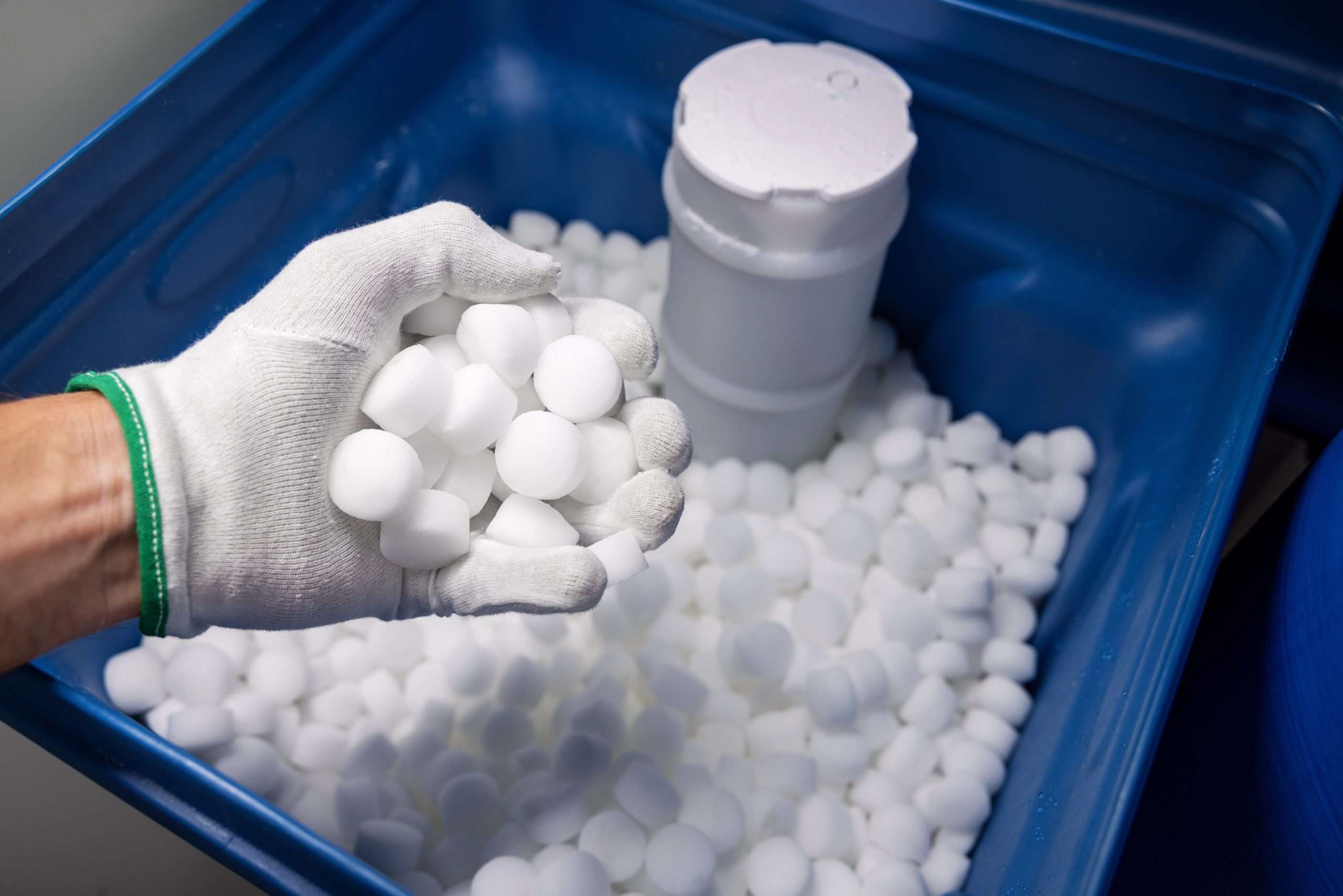
The loop itself requires minimal care—just occasional inspection of joints and seals for leaks. The real maintenance comes from the water softener it connects to: keeping salt levels consistent (for salt-based systems), scheduling annual inspections , and cleaning resin tanks when needed.
Think of the loop as a convenience feature—it doesn’t require much upkeep, but it makes caring for your softener easier over its lifetime.
Soft Water Loop FAQs
What exactly is a soft water loop?
Does my home need a loop to install a water softener?
Can I retrofit a soft water loop into my home?
How do I know if my home already has a loop?
Bringing It All Together
For Arizona homeowners, dealing with hard water is almost unavoidable—but pairing a water softener with a properly installed loop ensures the system runs efficiently, lasts longer, and requires less hassle over time. Whether your home already has a pre-plumbed loop or you need a retrofit, this feature helps protect your investment, extend the life of appliances, and deliver softened water where it matters most.
Clean H2O PRO'S — Trusted Soft Water Loop Experts in Arizona
At Clean H2O PRO'S, we specialize in water treatment solutions designed specifically for Arizona’s unique water challenges. Our veteran-owned team installs and services both pre-plumbed loops in new homes and retrofit systems for older plumbing, always with an emphasis on reliability, efficiency, and long-term performance. With years of local experience, we understand exactly how to tailor your system to Arizona’s very hard water conditions.
If you’re ready to stop fighting mineral buildup and start enjoying the benefits of softened water, the first step is simple: book your free water test . Our team will help you understand your water quality, explain your options, and design a system that fits your home and lifestyle.