


Hague Water Systems: A Solution for Arizona’s Hard Water Challenges
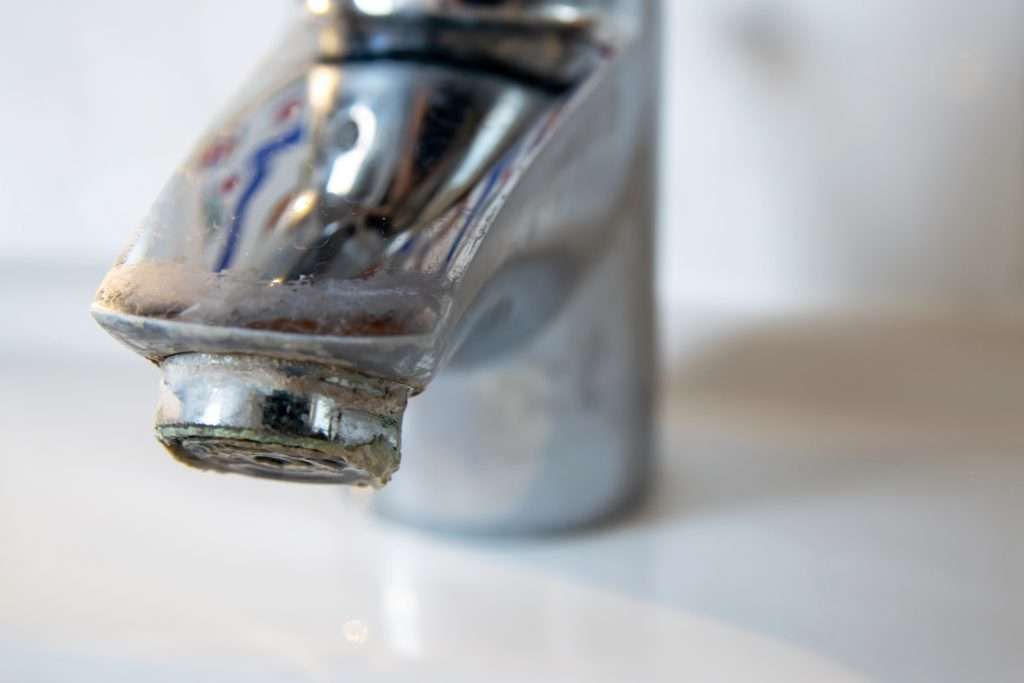
Key Takeaway: Hague water systems are built to handle Arizona’s hard water through advanced softening and filtration options. By reducing mineral buildup, helping protect appliances, and improving drinking water taste and clarity, Hague systems can make daily water use easier and more efficient. The best results start with professional testing to match the right system to your home’s unique water profile. To Soften, Filter, or Both? Meeting Arizona’s Water Challenges Arizona homeowners often deal with mineral-heavy water that leaves behind spots on dishes, chalky buildup on faucets, and scale inside appliances. That’s why many families look into Hague water systems—they’re designed to reduce hardness minerals like calcium and magnesium and help keep plumbing and water-using equipment running more efficiently. But hard water is only part of the story. Depending on your city, neighborhood, and source water, you may also have chlorine taste, sediment, or other water quality concerns. Reviewing common water problems can help you understand which issues are most likely affecting your home—and which solutions make the most sense. The most reliable first step is testing. A professional water quality test identifies hardness and other key factors, while home water testing can guide whether you need softening, filtration, or a combination—such as a whole-home softener paired with a Hague reverse osmosis system at the kitchen sink. In many Arizona homes, combining both approaches delivers the best balance: a Hague softener helps reduce scale throughout the house, while a Hague RO system helps improve drinking water taste and clarity where you need it most. It’s always smart to consult a professional so you can choose a setup that fits your home, your water, and your priorities. Breaking Down the Hague Product Line: What Can They Offer? Hague water systems typically fall into two categories: whole-home systems that treat water as it enters the house and point-of-use systems that refine water at a specific tap. Hague softeners are known for efficient regeneration and durable components, which can be especially helpful in Arizona, where hardness can be extreme and water conservation matters. For drinking water, Hague reverse osmosis filters use multi-stage treatment to reduce chlorine, dissolved solids, and other impurities that can affect taste and clarity. If you’d like to compare available configurations, CleanH2OPros outlines options across their water treatment products and dedicated drinking water systems pages. Many homeowners choose a “best of both worlds” setup: softened water throughout the home plus RO water at the kitchen sink for cooking, coffee, ice, and everyday drinking. To get system-specific guidance, you can book a call with a water treatment specialist and walk through your test results, layout, and household needs. How a Hague System Fits in Arizona Homes Arizona plumbing is often impacted by mineral buildup, whether your home uses municipal supply or well water. Hague systems are commonly installed at the point of entry to help reduce hardness minerals before they reach fixtures and appliances. For many homes, this means fewer water spots, less soap scum, and better long-term performance from dishwashers, water heaters, and washing machines. Some properties are already set up for a softener connection through a plumbing bypass called a soft water loop. If you’re not sure whether your home has one, this guide on what a soft water loop is explains how it works and why it matters for installation planning. If you’re exploring treatment options beyond softening—such as taste, chlorine, or drinking-water concerns—CleanH2OPros also shares examples of system pairings across their residential solutions page. Because each home’s plumbing design and water makeup differ, professional guidance helps ensure the final setup fits correctly and performs consistently. Interesting Facts About Hague Water Systems for Arizona Homes Arizona water often contains high calcium and magnesium levels, which is why many homeowners start by reviewing common water problems before choosing a treatment approach. Hague offers both whole-home softeners and point-of-use purification options, and you can compare available configurations through water treatment products. Reverse osmosis is a popular option for better-tasting kitchen water, with system types detailed on the drinking water systems page. Many Arizona homes use a dedicated loop for softener installation—learn the basics in this soft water loop guide. Professional testing is the most accurate way to match equipment to your home—home water testing helps confirm what’s in your supply before you invest. CleanH2OPros supports long-term confidence through warranties and guarantees that help protect your system and your investment. Arizona homeowners may be able to save through current authorized dealer specials, depending on product and installation needs.
Water Treatment Options for Phoenix Homes: Softener or Whole House Filter?

Why Water Quality Matters in Phoenix Homes Water quality plays a big role in daily comfort for Phoenix homeowners. Cloudy glassware, stiff laundry, and dry skin after showers are common signs of hard water—an issue throughout the Valley. Because of this, many homeowners compare a water softener Phoenix residents rely on to whole-house water filters. Each system solves a different problem, so understanding the difference makes choosing much easier. Phoenix water contains high levels of calcium and magnesium. These minerals aren’t harmful to drink, but they can cause scale buildup in pipes and appliances, reducing efficiency and raising energy costs. A water softener tackles hardness, while filtration systems address chlorine, sediment, and taste issues. Knowing which concern matters most helps determine the right solution. Professionals familiar with Arizona’s water conditions can quickly identify what’s happening in your home. Hard Water and the Role of a Water Softener Arizona’s desert geology creates some of the hardest water in the country. As groundwater moves through rock layers, it absorbs minerals, leading to scale buildup on fixtures and appliances. Over time, this buildup can clog showerheads and reduce appliance performance, which is why many homeowners install a water softener system. Water softeners use ion exchange to remove hardness minerals and replace them with sodium or potassium. The result is water that lathers better, leaves fewer spots, and helps appliances last longer. However, softeners don’t improve taste or remove chlorine—they simply change how water behaves. Because softeners treat all water entering the home, proper sizing and installation matter. Working with experts who specialize in residential solutions ensures reliable results. If you’re unsure where to start, you can request guidance through Clean H2O PRO'S’ call-back form. What Whole House Water Filters Do Differently Whole-house water filters focus on improving water taste, odor, and clarity. Many Phoenix homeowners notice chlorine smells or cloudy water due to municipal treatment and aging infrastructure. A whole-house water filter in Arizona that homeowners choose can reduce these impurities before the water reaches any faucet. These systems typically use activated or catalytic carbon to trap chlorine, sediment, and other compounds. Some include multiple stages for targeted treatment. Options like advanced filtration systems can be customized based on local water test results. Because water quality varies by neighborhood, a professional water quality test is the best first step. Testing ensures the filter targets the issues that matter most—whether that’s chlorine, sediment, or odors. Quick Facts About Softeners and Filters in Phoenix Hard Phoenix water contains calcium and magnesium that cause scale buildup. A water softener reduces mineral-related wear on appliances. A whole house filter improves taste, odor, and clarity. Many homes benefit from using both systems together. Water testing ensures the right solution is chosen. Salt-free systems offer low-maintenance scale reduction. Can You Combine Both Systems? Yes—many Phoenix homeowners install both a softener and a whole house filter. The softener reduces scale-causing minerals, while the filter improves taste and clarity. Installed together, they create a balanced system that improves comfort and efficiency throughout the home. The best setup always starts with professional water testing. From there, a technician can design a system that matches your plumbing layout and water usage. If you’re considering your options, you can book a call with a water treatment specialist for personalized advice. Cost, Maintenance, and Long-Term Value Softeners typically have lower upfront costs but require ongoing salt and maintenance. Whole-house filters may cost more initially, but can improve water quality across the entire home with less frequent upkeep. Reviewing pricing options helps homeowners balance cost with long-term value. Both systems need regular care. Softeners require salt refills, while filters need periodic media changes. Working with a trusted local expert ensures proper maintenance and protects warranties over time. Choosing the Right System for Your Home Phoenix water quality varies widely by location. Some homes struggle mainly with hardness, while others are more affected by chlorine or sediment. A detailed water quality test identifies what your home truly needs, helping you avoid unnecessary upgrades. If hardness is the main issue, a softener may be the best choice. If taste and odor are concerns, filtration can help. Many homeowners choose both for complete coverage. Clean H2O PRO'S offers customized water treatment services designed specifically for Phoenix-area homes. Invest Wisely in Better Water Upgrading your water system can make everyday life more comfortable while protecting plumbing and appliances. Choosing between a water softener and a whole house filter isn’t about which is better—it’s about what’s right for your water. Testing, professional guidance, and proper installation ensure your investment delivers real results. If you’re ready to improve your home’s water, schedule a free water audit with Clean H2O PRO'S. Their experts can help you choose the system—or combination—that best fits your home, budget, and long-term goals.
Best Water Softeners for Arizona’s Hard Water: 2026 Buyer’s Guide

Why Arizona Needs Specialized Water Softener Solutions The best water softener for Arizona homes is one built to handle extremely hard water. In cities like Phoenix, Tucson, and Scottsdale, mineral levels are among the highest in the country. While hard water is safe to drink, it can cause scale buildup, shorten appliance lifespan, and make cleaning more difficult. Over time, this leads to higher energy bills and more frequent repairs. Arizona water is rich in calcium and magnesium, which are responsible for stubborn residue and scaling. Understanding these common water problems helps homeowners choose systems that work well in local conditions. Because water chemistry varies by region, there’s no one-size-fits-all solution. That’s why testing your water is so important. A home water test reveals hardness levels and other concerns, allowing you to select a system that fits your household’s needs. Professional guidance ensures your investment delivers long-term results. Understanding Arizona’s Hard Water Challenges Arizona’s hard water comes from naturally occurring minerals picked up as groundwater moves through rock and soil. While harmless, these minerals leave spots on dishes, dry out skin and hair, and reduce appliance efficiency. Most homes use treated municipal water that still contains high mineral content. Rural homes with wells may also face sediment or iron issues, which can be addressed with specialty filters. Left untreated, hard water can cause scale inside pipes and water heaters, increasing energy use and maintenance costs. Learning about local water conditions through educational resources helps homeowners choose systems that target their specific challenges. With the right setup, you’ll notice cleaner dishes, softer laundry, and fewer plumbing issues. Salt-Based vs. Salt-Free Systems Salt-based softeners use ion exchange to remove calcium and magnesium, making them highly effective for Arizona’s extreme hardness. These systems help prevent scale buildup and protect appliances, which is why they’re a popular choice statewide. Salt-free systems don’t remove minerals but condition the water to reduce scaling. Often called salt-free water filtration, they’re lower maintenance but may not provide the same level of appliance protection. They work best in homes with moderate hardness or as a supplemental solution. The right system depends on your water chemistry and usage. A water quality test helps ensure proper sizing and performance, especially since hardness varies widely across Arizona. Fast Facts About Arizona Hard Water Hardness levels often range from 200–400 ppm, among the highest in the U.S. Salt-based softeners are most effective for protecting plumbing and appliances. Salt-free systems reduce scaling but don’t remove minerals. Some homes need a soft water loop for proper installation. Warranty and maintenance costs vary by system and installer. Professional consultations help match systems to local water chemistry. Top Water Softeners for Arizona Homes Many Arizona homeowners choose high-capacity salt-based systems designed for heavy mineral loads. Modern softeners include smart regeneration cycles that reduce salt and water usage while maintaining performance. Popular options include metered softeners, dual-tank systems, and hybrids that combine softening and conditioning. You can explore available models through the CleanH2O PRO'S product list, which includes systems for homes of all sizes. Installed systems typically range from $1,800 to $3,500, depending on capacity and features. Obtaining custom pricing helps homeowners plan with confidence. Installation Matters Proper installation is just as important as choosing the right system. Most softeners are installed at the point of entry, so all household water is treated. Homes without a soft water loop may require one to be added for best results. Arizona homes vary in layout, space, and exposure to heat. Working with experienced professionals ensures your system is installed correctly and protected for long-term performance. CleanH2O PRO'S offers residential water treatment services that include expert installation and ongoing support. Balancing Cost, Efficiency & Warranty High-efficiency systems often cost more upfront but save money long-term by using less salt and protecting appliances. Some modern units use up to 40% less salt than older models. Warranty coverage is equally important. Reviewing warranty options helps homeowners understand long-term protection. Seasonal special offers can also make upgrading more affordable. Support Beyond Installation Authorized dealers provide proper installation, warranty support, and ongoing maintenance. CleanH2O PRO'S is known for expert service and local knowledge—what they call the CleanH2O PRO'S difference. Many homeowners also choose maintenance plans that include inspections and salt delivery. Brand-specific options like AO Smith dealer specials offer added value for Arizona homes. Choosing the Right Fit for Arizona Living Every home uses water differently, and Arizona’s hardness levels vary by location. Testing your water first helps determine whether a large salt-based system or a compact solution is the best fit. Proper sizing and installation ensure efficiency and reliability. You can book a call with a water treatment specialist to discuss your home’s needs and compare options. Reading customer reviews can also provide insight into system performance and long-term satisfaction. Ongoing support helps keep your system running smoothly. Final Thoughts and Next Steps Arizona’s hard water requires a thoughtful, customized approach. The right water softener can protect appliances, improve cleaning, and reduce daily maintenance. If you’re ready to explore your options, you can get a custom softener quote and speak with a local expert. With professional guidance, you’ll enjoy better water and long-lasting results tailored to Arizona living.
What Is a Soft Water Loop and Does Your Arizona Home Need One?

Key Takeaways A soft water loop (also called a softener loop) is a pre-plumbed U-shaped pipe that makes installing and servicing a water softener easier. Arizona homes benefit because loops simplify installation, improve system efficiency, and reduce disruptions during maintenance. Newer homes often come pre-plumbed with loops, while retrofits can be added by a professional plumber to upgrade older homes. Though a softener can work without one, a loop provides better flexibility, isolation, and long-term convenience. Arizona is known for its hard water—loaded with calcium and magnesium minerals that leave scale buildup on appliances, plumbing, and fixtures. This is why so many residents turn to water treatment systems for relief. At Clean H2O PRO'S, a veteran-owned company serving families across Phoenix and the surrounding Valley, we specialize in solutions designed specifically for Arizona’s tough water conditions. One often-overlooked feature that makes a big difference is the soft water loop. But what exactly is a soft water loop? How does it work, and why do Arizona homeowners benefit from having one installed? In this guide, we’ll break down its purpose, how it supports efficient water softener use, and what to consider for new builds versus retrofits in existing homes. Understanding What a Soft Water Loop Is A soft water loop is a dedicated section of piping—often arranged in a U-shape—installed near where a water softener will sit (commonly by the water heater or main supply line). This loop creates a clear access point for the water softener, making installation and maintenance far easier than cutting into the main plumbing later. By having this loop in place, professionals can isolate the softener from the home’s plumbing system for service or troubleshooting, while the rest of your home still has access to running water. The design also promotes proper water flow rates through the softener, ensuring it works at peak efficiency. Without a loop, integrating a softener is more complex and disruptive. Why Arizona Homes Benefit from a Soft Water Loop Arizona’s water is among the hardest in the U.S., with the City of Phoenix Water Services Department reporting average hardness levels between 158–344 mg/L (9.2–20.1 gpg). That falls into the “very hard” category and explains why homeowners across the Valley deal with scale buildup on plumbing, fixtures, and appliances. Installing a soft water loop helps simplify maintenance and protect your home from these issues. Streamlined installation – Builders often include pre-plumbed loops in new homes so a softener can be added without extra plumbing work. Fewer disruptions – With a loop, maintenance or repairs can be performed without shutting down the entire home’s water supply. Improved efficiency – Properly looped plumbing maintains the flow rates a softener needs to operate effectively. Flexibility for retrofits – Older homes can be upgraded with a loop by a professional, extending access to soft water benefits without re-piping the whole house. Retrofitting vs. Pre-Plumbed Loops in New Homes New construction in Arizona often comes with a pre-plumbed loop as a builder standard. This means the pipes, fittings, and location are already prepared for a softener—making installation fast and cost-effective. If you’re planning on building a new home, make sure you talk to your contractor about installing a soft water loop. Retrofitting older homes requires cutting into the main line and adding the loop near the water heater or garage wall. While this adds some labor and cost, it ensures the homeowner has a dedicated connection point for their softener and reduces future service headaches. A retrofit is a one-time investment that makes water softener maintenance and replacements far easier. Soft Water Loop vs. No Loop: Do You Really Need One? A water softener can function without a loop, but installation tends to be more complicated. Without a loop, plumbers must splice into the main plumbing, which can lead to higher costs and greater disruption. A loop, on the other hand, keeps things clean, organized, and efficient. If your home already has a loop, you’re set up for a hassle-free installation. If not, adding one during a softener upgrade is highly recommended to save time and money long term. Professional Installation: Why It Matters Expert Tip: A soft water loop may look simple, but correct installation requires cutting into pressurized water lines, ensuring leak-free seals, and meeting plumbing codes. DIY mistakes can cause costly water damage. Professional installers ensure your loop is sized, sealed, and placed correctly for your specific home. They also ensure permits and code compliance are met, which is especially important in Arizona municipalities that regulate water treatment systems. By choosing a professional, you avoid common issues like leaks, incorrect bypass placement, or poor water flow that can compromise softener performance. Maintenance and Longevity The loop itself requires minimal care—just occasional inspection of joints and seals for leaks. The real maintenance comes from the water softener it connects to: keeping salt levels consistent (for salt-based systems), scheduling annual inspections , and cleaning resin tanks when needed. Think of the loop as a convenience feature—it doesn’t require much upkeep, but it makes caring for your softener easier over its lifetime. Soft Water Loop FAQs What exactly is a soft water loop? It’s a pre-plumbed U-shaped pipe near your water heater or main supply line that creates a dedicated connection point for a water softener. It makes installation and service much easier. Does my home need a loop to install a water softener? No. A softener can be installed without a loop, but having one makes installation, servicing, and future upgrades faster and less disruptive. Can I retrofit a soft water loop into my home? Yes. Even if your home wasn’t built with a loop, a professional can retrofit one by cutting into the main supply line and adding a dedicated connection point. How do I know if my home already has a loop? Look near your water heater or in the garage for a capped, U-shaped pipe sticking out of the wall. That’s typically your soft water loop. Bringing It All Together