

Building or Remodeling in Arizona? When to Plan for Commercial Water Treatment
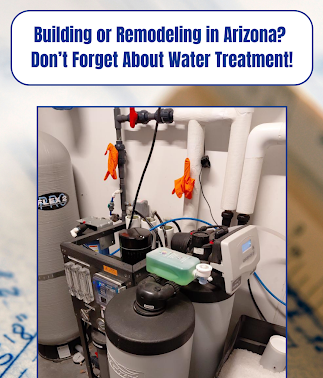
Key Takeaway: Plan commercial water treatment early, during the design phase, before plumbing routes, equipment locations, and mechanical-room layouts are final. Even if you install the system later, planning now preserves space, drainage, power, and access. Quick answer: The best time to plan for commercial water treatment is early, during the design phase, before plumbing routes, equipment locations, and mechanical-room layouts are finalized. Depending on the system, your Arizona business may need room for tanks, filters, service access, drainage, and electrical connections. The right layout starts with incoming water quality, peak water demand, and equipment requirements. Planning early can help reduce avoidable changes later, even if you intend to install treatment in a future phase. When you’re planning a restaurant, hotel, office, or other commercial space in Arizona, every square foot matters. Equipment needs a home. Plumbing needs a path. Mechanical rooms fill up quickly. Water treatment deserves a place in that conversation. Why Plan for Water Treatment Before Construction Is Complete? A treatment system needs more than an empty corner. It needs a suitable location, the right connections, and enough access to maintain it. For example, A. O. Smith’s commercial softener installation instructions address water pressure, electrical supply, drain capacity, bypass plumbing, and access for adding salt. Those details affect where equipment can reasonably go. If treatment is considered only after walls are finished and equipment is installed, the available location may require additional plumbing work or limit your options. Early planning gives your builder, plumbing contractor, and water treatment provider a chance to coordinate the layout before those decisions become harder to change. If water treatment might be part of the building someday, make room for it today. Why Does Arizona Water Matter for Commercial Planning? Your water supply is part of your equipment’s operating environment. The City of Phoenix identifies calcium and magnesium as contributors to water hardness. It also explains that hardness is an aesthetic characteristic, rather than an indication that drinking water is unsafe. For more on how hardness works across the state, see our guide to hard water in Arizona. For a business, the question is whether the incoming water meets the needs of the equipment and applications using it, and whether you can provide a better water experience for your customers. A commercial kitchen, a hotel laundry, and an office drinking-water station may have different requirements. Your local utility’s water quality report provides useful background, while testing at the property helps inform treatment decisions. Every Arizona location has different needs, so each environment should be treated differently. Not all businesses will use the same system. How Does Your Business Use Water? Before selecting equipment, ask: What does water do inside our operation? Consider whether it will: Supply kitchens, dishwashers, or beverage equipment Feed water heaters, boilers, or other mechanical equipment Support laundry operations Serve guest rooms, restrooms, or employee drinking-water stations Become an ingredient in food, beverages, or manufactured products Supply equipment with specific water quality requirements Then identify which uses happen at the same time. Daily consumption matters, but your busiest operating periods also need attention. Share equipment specifications, anticipated occupancy, and operating schedules with the team evaluating treatment. For medical or specialized industrial applications, begin with the applicable equipment and process requirements. What Space and Connections Should You Plan For? Use this checklist to guide the design conversation. Exact requirements should come from the proposed equipment specifications and installation instructions. Equipment footprint: Space for the complete treatment arrangement, including any supporting tanks, filters, or pumps. Height and service clearance: Room to access components and replace filters or media. Installation access: A practical route for bringing equipment into the building and removing it later. Water connections: Access to the main supply or the specific lines that need treatment. Plumbing and pressure: Connections suited to the system’s flow and operating requirements. Drainage: Capacity for any regeneration, backwash, or RO discharge. Electrical supply: Power appropriate for the selected equipment. Maintenance access: Space for technicians, supplies, and routine service. Future expansion: Room for additional equipment if demand grows. Commercial reverse osmosis systems can also require pretreatment, storage, and pumping equipment. Planning only for the RO unit’s footprint can leave out other key parts of the installation. (Not sure how softeners and RO differ? Read Water Softener vs. RO in Arizona.) Coordinate final connections and installation details with your project’s design and plumbing professionals. Does the Entire Building Need Treated Water? Not necessarily. Treatment may serve the incoming building supply, a dedicated branch, or an individual piece of equipment. The appropriate approach depends on what needs to be treated and why. That decision affects both equipment placement and plumbing routes. For example, planning drinking-water treatment for an employee break room is a different conversation from planning treatment for a hotel’s laundry operations. Defining the application first helps keep the design focused on your business’s actual needs. Can You Plan Now and Install the System Later? Yes. Planning ahead does not necessarily mean purchasing treatment equipment immediately. You can evaluate likely needs and identify suitable space and connections during design, then coordinate provisions for a future installation. If treatment is deferred, revisit the plan before purchasing equipment. Tenant needs, water demand, and available systems may change. The objective is to preserve practical options while the building is still being designed. What Should You Bring to a Commercial Water Treatment Consultation? Bring whatever is available: Preliminary floor plans and plumbing drawings The property address and water supplier Existing water test results Specifications for equipment that uses water Expected occupancy, operating hours, and peak demand Planned expansion or future tenant needs Your construction or remodeling timeline You do not need every answer before starting the conversation. An early review can help identify what still needs to be evaluated. Frequently Asked Questions When should I plan for commercial water treatment in Arizona? Plan during the design phase, before plumbing routes, equipment locations, and mechanical-room layouts are finalized. Early planning helps reduce avoidable changes later. What space does a commercial
Water Softener vs. RO in Arizona: Do You Need Both?

Key Takeaway: A water softener treats hardness for the whole house, while an RO system treats drinking and cooking water at one tap. One doesn’t replace the other, and whether you need both depends on your water test results and what you want to improve. Quick answer: A water softener and a reverse osmosis (RO) system do different jobs, so one does not replace the other. A softener reduces the hardness minerals that cause scale and soap buildup throughout your home. An RO system reduces dissolved substances in the water you drink and cook with. Whether you need both depends on your water test results, your plumbing, and what you want to improve. In Arizona, where hard water is the rule rather than the exception, many homeowners end up asking this exact question. A water softener tackles the scale on your faucets, shower doors, and appliances. An RO system tackles the water in your glass. If you want to reduce hard water problems throughout your home and improve your drinking water, you may benefit from both. What Is the Difference Between a Water Softener and Reverse Osmosis? A water softener primarily treats water hardness. A typical residential RO system treats drinking water at a specific location, usually the kitchen sink. Think about where you notice the problem. Buildup around your showerhead and water that tastes unpleasant are different concerns, and they may require different treatment. Feature Water softener Reverse osmosis (RO) system Main purpose Reduce water hardness Reduce dissolved substances in drinking water How it works Exchanges calcium and magnesium for sodium or potassium Pushes water through a semipermeable membrane Typical location Home’s incoming water line Under the kitchen sink Common uses Bathing, laundry, cleaning, and reducing scale Drinking, cooking, making beverages, and ice Does it replace the other? No. It does not provide the same treatment as RO. No. A typical kitchen RO does not soften water throughout the home. The EPA and CDC both describe softening and reverse osmosis as distinct treatment processes (see Sources below). What Does a Water Softener Do? A water softener reduces hard minerals, typically calcium and magnesium, the minerals responsible for water hardness. A conventional salt-based softener uses ion exchange to replace those minerals with sodium or potassium. Hard water can show up in everyday routines as: Mineral buildup on faucets and showerheads Scale in water-using equipment Soap that does not lather easily More effort spent cleaning mineral deposits Softening helps address these hardness-related problems. However, it does not remove every substance in your water, and it should not be treated as a complete drinking water filtration system. What Does a Reverse Osmosis (RO) System Do? A reverse osmosis system reduces many dissolved substances in drinking water by passing water through a semipermeable membrane. Our residential reverse osmosis systems combine that membrane with other filtration stages, such as carbon filters. Depending on its design and verified performance, an RO system can reduce dissolved salts and specific contaminants. Our A.O. Smith reverse osmosis system is NSF certified. Carbon stage filters can also help address chlorine-related taste and odor. For homeowners, that can mean water they prefer for drinking, cooking, coffee, and tea. A compatible refrigerator connection may also supply treated water for ice. Always check the specific system’s certifications and reduction claims. The term “RO” alone does not establish that a system reduces every contaminant you are concerned about. When Does Having Both Make Sense? Both systems may make sense when you have hardness-related problems throughout the home, want appliance and plumbing longevity, and want purified drinking water. For example, you might notice crusty buildup around your faucets or on your glass shower doors, and you may be buying bottled water because you dislike the taste of your fridge water or tap water. In that situation: A softener addresses hardness in water supplied to the home’s connected fixtures. An RO system provides additional treatment at the drinking water tap. Choosing both should follow an assessment of your water and your priorities. Owning one system does not automatically mean you need the second. Can You Use Reverse Osmosis Without a Water Softener? Yes. An RO system can operate without a water softener when the incoming water meets the manufacturer’s requirements. The right setup depends on water hardness, pressure, water chemistry, and the system’s specifications. Pretreatment may be recommended for some installations, so have the installer check those requirements before choosing equipment. If your main goal is improving drinking water, an RO system, or another appropriately selected filter, may be enough. Can a Water Softener Improve Drinking Water Taste? A softener may change how water tastes, but it is not designed to resolve every taste or odor concern. Softening does not perform the same job as carbon filtration or reverse osmosis, and softened water isn’t designed to replace a drinking water treatment system. Match the treatment to the problem you want to solve. How Do You Know Which System Your Home Needs? Start with your water results and the problems you actually notice. A useful assessment considers: Your home’s measured water hardness Taste, odor, scale, and cleaning concerns Any specific concerns that require laboratory testing Installation requirements and ongoing maintenance costs A basic in-home test can help evaluate hardness and other practical water characteristics. It does not establish that water is free of all contaminants. Specific contaminant questions may require targeted laboratory testing. The CDC recommends choosing treatment based on what is present in your water and what you want to remove. Frequently Asked Questions Do I need both a water softener and reverse osmosis? Not necessarily. A softener treats hardness throughout the home, and RO treats drinking and cooking water at one tap. You may benefit from both if you have hard water problems and want improved drinking water, but the right choice depends on your water test and your goals. Can reverse osmosis soften water? A typical kitchen RO system does not soften water throughout your home. It treats water at one location,
What Arizona Homeowners Need to Know About Hard Water

Key Takeaway: Arizona’s water is hard because it comes largely from groundwater and the Colorado River, both mineral-rich sources—and no Arizona city tests as “soft.” That buildup affects your skin, hair, and appliances, but softening and filtration can fix it. Hardness 101: What Arizona Homeowners Need to Know About Hard Water If you’ve been a resident of Arizona for any amount of time, you’re almost surely aware that Arizona has notoriously hard water. But what does that actually mean? What Is Hard Water? Water hardness refers to the amount of dissolved minerals found in water—most prominently calcium and magnesium. Why Is Arizona Water So Hard? According to the University of Arizona, the state’s primary water sources are groundwater, the Colorado River, in-state rivers, and reclaimed water—with groundwater making up 41% and the Colorado River making up 36%. All of these sources pass through areas with high mineral concentrations, and those minerals dissolve into the water through erosion along the way. Want to explore Arizona’s water sources with us? How Is Water Hardness Measured? Water hardness is measured in grains per gallon (GPG). At Clean H2O PRO'S, we think of it as a scale from 0 to 10: GPG Level What it means for your home 0–1 Good Little to no impact 2–3 Nuisance Spots and buildup on nearly everything 4–5 Hard Buildup and scale on faucets, showers, and toilets 6–7 Very hard Can damage pipes and plumbing, and may void appliance warranties 8–10 Extreme Severe scale, the highest risk to your plumbing and appliances You’ll also see hardness reported in milligrams of minerals per liter (mg/L). As a rule of thumb, 1 GPG is about 17 mg/L. By one common mg/L scale, below 60 is soft, 61–120 is moderate, 121–180 is hard, and over 180 is very hard. According to Aquatell’s measurements, there isn’t a single Arizona city with soft water, and an overwhelming number fall into the very hard range. Want to see how hard your city’s water is? Click here. Why Should You Care? Hard water affects multiple areas of daily life: Your appliances and infrastructure: Hard water creates mineral buildup (scale) on appliances and plumbing. That buildup leads to increased energy usage, less efficient appliances, and a shorter lifespan for water heaters, dishwashers, and more. Your skin and hair: Showering in hard water leaves mineral buildup on your skin and hair, which can dry both out—a real problem in the Arizona summer heat. What Can You Do? The easiest way to combat hard water is through softening and filtration. Clean H2O PRO'S offers a host of water solutions built specifically for Arizona’s water. Ready to find out what your water hardness levels are? Give us a call at 480-486-8018.
Building a New Home in Arizona? Don’t Forget This Important Plumbing Detail

Key Takeaway: Arizona tap water can carry chlorine levels close to what you’d find in a swimming pool, since much of it travels through open canals before treatment and needs extra chlorine to stay disinfected. A professional water test is the only way to know what’s really in your water — which is the whole point of the Clean H2O PRO'S post. Building a New Home in Arizona? Don’t Forget This Important Plumbing Detail Building a new home comes with what feels like a million decisions. Flooring. Cabinets. Fixtures. Appliances. Lighting. Landscaping. But there’s one decision hiding behind the walls that can make a big difference in how easily you can treat your water later: a soft-water loop. If you’re building a new home in Arizona, planning for your water treatment system before construction is complete can save you from more complicated—and potentially more expensive—plumbing modifications down the road. And in a state known for hard water, it’s one detail worth putting on your new-build checklist. What Is a Soft-Water Loop? A soft-water loop is a dedicated section of plumbing designed to make it easier to connect a whole-home water treatment system. Instead of rerouting plumbing after your home is finished, the loop gives your Clean H20 Pros an accessible point where water can be directed through the treatment system before continuing into the areas of your home where you want treated water. Think of it as planning the pathway for better water before you even need the equipment. Why Does It Matter in Arizona? Arizona homeowners deal with notoriously hard water. Hardness minerals like calcium and magnesium can contribute to scale buildup on fixtures, shower glass, appliances, and plumbing components throughout the home. That means your water isn’t just something you drink—it touches almost everything: Your showers Your laundry Your dishwasher Your water heater Your faucets Your appliances Your cleaning routine Planning for water treatment while your home is being built gives you the ability to move into a new house and, from the first turn of the tap, have clean, filtered water—while keeping your plumbing clear of sediment. Why Install the Loop During Construction? This is where a little planning can save a lot of frustration and money. When the plumbing is exposed, a plumber can design the home’s water lines with future water treatment in mind. Once construction is complete, creating the right plumbing configuration may require additional labor, rerouting, or access—depending on how the home was built. A properly planned loop can help provide: A dedicated connection point for a whole-home water treatment system Cleaner and more straightforward installation Greater flexibility when choosing equipment Less need for plumbing modifications later Even if you’re not ready to purchase a water treatment system while you’re building, having the plumbing prepared gives you options later. Not Every Water Line Needs to Be Treated the Same Way This is another reason planning matters. Your home’s water system can be designed so treated water goes where it provides the most benefit, while other lines—such as certain exterior irrigation or hose bibs—may bypass the softener. And your drinking water is a separate conversation. A whole-home softening system and a reverse-osmosis drinking water system serve different purposes. Planning during construction can make it easier to think through both: water throughout the house, and high-quality drinking water at the kitchen sink. Ask About Water Before Your Builder Is Finished If you’re currently building a home in Arizona, add these questions to your builder or plumber conversation: Is the home being built with a soft-water loop? Where will the loop be located? Is there a drain and electrical access near the planned equipment location? Which water lines will bypass the softener? Has space been planned for the water treatment equipment I may want? If you already know you want a whole-home system, it can help to involve your water treatment company before the plumbing plan is finalized. Already Built Your Home Without a Loop? Don’t panic. A missing soft-water loop doesn’t automatically mean you can’t install a whole-home water treatment system. Clean H20 Pros can evaluate the home’s plumbing and determine what options are available. The difference is simply that planning ahead gives you more options. Build Better Water Into the Plan You spend months choosing the things you’ll see in your new home. It’s worth spending a few minutes thinking about the water that will run through it every single day. If you’re building a new home in Arizona, Clean H2O PRO'S can help you understand your water treatment options, determine what your future system may need, and work with you to plan for better water from the beginning. Building in Arizona? [Talk to our team] before the walls close, and make water part of your new-home plan.
High Peaks Water Closed? Here’s What Arizona Homeowners and Businesses Should Know
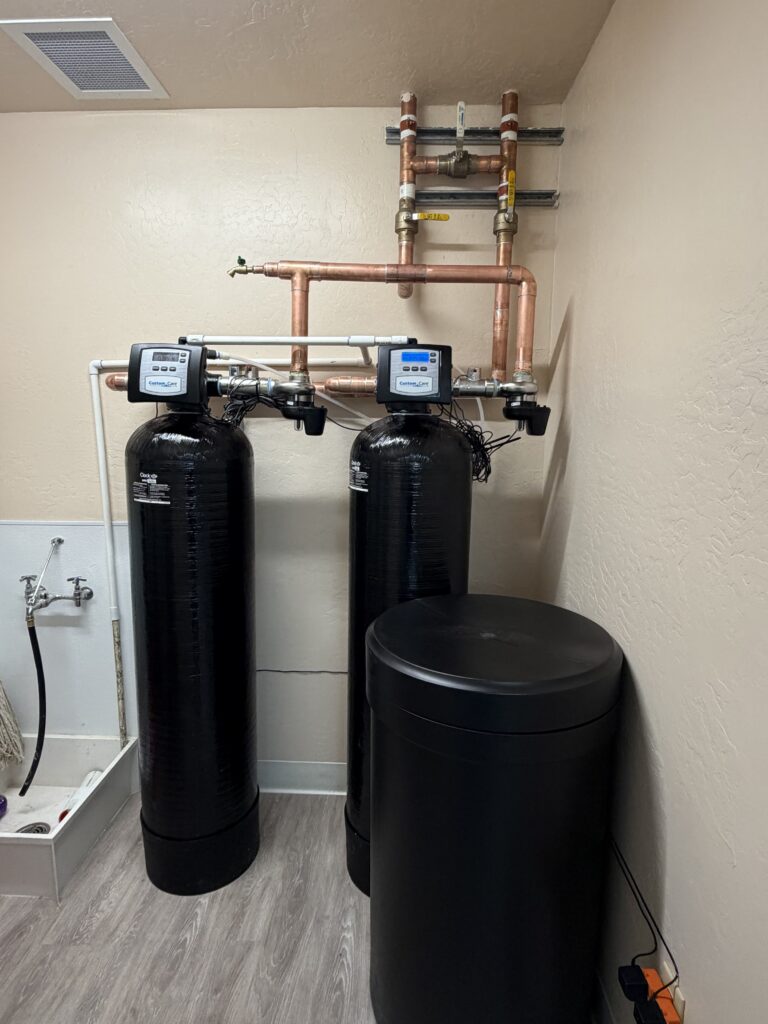
When a company you’ve trusted to maintain your home’s water treatment system suddenly closes, it’s normal to have questions. Maybe you’re wondering who will service your water softener, where you’ll get replacement filters, or whether your existing equipment can continue operating without the company that originally installed it. These are concerns many Arizona homeowners and business owners are now facing after High Peaks Water ceased operations. The good news is that your water treatment system doesn’t become obsolete because the original provider is no longer in business. In most cases, another experienced water treatment company can inspect your equipment, continue routine maintenance, perform repairs when needed, and help you get the most out of the investment you’ve already made. Rather than starting over, the goal should be finding a provider that offers knowledgeable service, honest recommendations, and long-term support. What Happens After Your Water Treatment Company Closes? Many people assume they’ll need to replace their entire system if the company that installed it is no longer around. Fortunately, that’s rarely the case. Most water softeners, reverse osmosis systems, and whole-home filtration systems are designed to provide years of reliable performance with proper maintenance. Even if they were installed by High Peaks Water, another qualified technician can often inspect the equipment, verify it’s working correctly, replace filters or worn components, and recommend any repairs that may be needed. A professional inspection also provides peace of mind. Instead of guessing whether your system is still performing efficiently, you’ll have a clear understanding of its condition and any maintenance that should be scheduled to keep it operating at its best. Finding the Right Company Moving Forward Many former customers naturally begin looking for an alternative after learning High Peaks Water is no longer in business. While no company officially took over its operations, there are experienced Arizona water treatment providers that can continue servicing existing systems and supporting customers well into the future. When choosing a new provider, experience matters just as much as the equipment itself. A reputable company should take time to evaluate your current system before recommending changes. If everything is functioning properly, routine maintenance may be all that’s needed. If upgrades would genuinely improve water quality or efficiency, those recommendations should be based on your property’s needs—not on selling equipment you don’t need. The relationship shouldn’t end after installation, either. Water treatment systems require ongoing care, and having a company you can rely on for maintenance, repairs, and future service makes a significant difference over the life of your equipment. Can Your Existing Equipment Still Be Serviced? For most homeowners, the answer is yes. Experienced water treatment professionals work with systems installed by many different manufacturers and contractors. During a service appointment, they’ll inspect the system, test its performance, check for signs of wear, and make sure it’s producing the water quality you expect. Sometimes the solution is as simple as replacing filters or performing routine maintenance. Other times, small repairs can restore efficiency and extend the life of the equipment without requiring a full replacement. Every system is different, which is why a thorough inspection is the best place to start. The same approach applies to commercial properties. Businesses often rely on water treatment systems every day, making preventative maintenance essential for protecting equipment and avoiding unexpected interruptions. Arizona’s Water Creates Unique Challenges Living in Arizona means dealing with naturally hard water. Over time, minerals like calcium and magnesium can build up inside pipes, water heaters, fixtures, and appliances. Without effective treatment, that buildup can reduce efficiency, increase maintenance costs, and shorten the lifespan of equipment throughout your home or business. Water treatment systems help minimize these issues, but they aren’t completely maintenance-free. Water softeners need regular inspections to continue removing hardness minerals effectively, while reverse osmosis systems depend on fresh filters and membranes to maintain water quality. Staying ahead of routine maintenance doesn’t just improve the performance of your water treatment system, it also helps protect the plumbing and appliances connected to it. Catching small problems early is often far less expensive than waiting until a larger repair becomes necessary. Residential and Commercial Water Treatment Solutions Every property has different water quality concerns, which is why effective water treatment starts with understanding how the water is being used. A family home may benefit from a combination of a water softener and reverse osmosis system to improve drinking water and reduce hard water buildup throughout the house. A business, on the other hand, may need a more customized solution based on the equipment it operates and the volume of water it uses each day. Restaurants depend on quality water for cooking and beverages. Apartment communities need dependable systems that serve dozens of residents. Manufacturing facilities often rely on treated water to protect specialized equipment, while medical offices and other professional facilities have their own water quality requirements. Whether it’s a residential installation or commercial water filtration for a business in Phoenix, Mesa, Chandler, Gilbert, Scottsdale, Tucson, or another Arizona community, the right solution should always be designed around the property’s specific needs. Why Homeowners and Businesses Trust Clean H2O PRO’S For those looking for a dependable water treatment provider after High Peaks Water’s closure, Clean H2O PRO’S offers the experience and ongoing support needed to make the transition simple. As a family-owned and veteran-owned Arizona company, Clean H2O PRO’S takes a personalized approach to water treatment. Every recommendation begins with understanding the property’s water quality through professional testing rather than assuming every customer needs the same solution. From there, the team develops customized recommendations designed to improve water quality while fitting your home’s or business’s long-term needs. Clean H2O PROS provides water softener installation, reverse osmosis systems, whole-home filtration, specialty filtration, repairs, preventative maintenance, salt delivery, and commercial water treatment services. If your current system was originally installed by High Peaks Water, their technicians can inspect the equipment, explain how it’s performing, and help you determine the most practical next steps, whether that’s routine maintenance, repairs, or
Is Your Arizona Tap Water as Chlorinated as a Pool?

Key Takeaway: Arizona tap water can carry chlorine levels close to what you’d find in a swimming pool, since much of it travels through open canals before treatment and needs extra chlorine to stay disinfected. A professional water test is the only way to know what’s really in your water — which is the whole point of the Clean H2O PRO'S post. Is Your Arizona Tap Water as Chlorinated as a Pool? In Arizona, beating the heat is part of daily life, and swimming pools are where a lot of that life happens—especially in the summer months. Most of us grew up hearing the same warning after a swim: “Rinse off as soon as you get out of the pool and wash all that chlorine away.” It’s good advice. But it raises a question most people never think to ask: what about the water you shower with every single day? Depending on where you live in Arizona, your tap water may carry chlorine levels similar to what you’d find in a swimming pool. How Much Chlorine Is “Normal”? For context, here’s how chlorine levels typically compare: Home pools: 1–2 parts per million (ppm) of chlorine Public pools: Swimming is prohibited above 3 ppm Arizona tap water: Levels vary by city, season, and water source—and in some communities, they can match or exceed typical pool levels So why does Arizona add chlorine to its drinking water in the first place? Why Arizona’s Drinking Water Is Chlorinated Many Arizona communities get a significant share of their drinking water from the Central Arizona Project (CAP), a system of open canals that carries Colorado River water across the state. You’ve probably driven over one of these canals today without even realizing it—they run through neighborhoods all over the valley and are easy to spot once you know what to look for. Because this water travels hundreds of miles through open canals before it ever reaches a treatment plant, it’s exposed to the outside environment along the way: dust, algae, wildlife, agricultural runoff, and other naturally occurring materials. Municipal treatment facilities disinfect the water before it’s delivered to homes, and chlorine is added to make sure that disinfection holds up as the water moves through the distribution system to your tap. In other words, chlorine is doing an important job. But that doesn’t mean everyone enjoys living with it once it reaches their shower, sink, and glass of drinking water. What Chlorinated Water Can Feel Like at Home Water touches almost every part of your day—the coffee you brew in the morning, the shower you take before bed, the bath you run for your kids. Your skin is your body’s largest organ, and it’s exposed to your water constantly. Multiply that by every shower, hand wash, and bath your family takes in a week, and it adds up fast. Homeowners who notice chlorine in their water often describe: A strong chlorine smell while showering Dry, tight-feeling skin after bathing Hair that’s harder to manage or style A “pool-like” taste or odor in tap water These experiences aren’t the same in every home. They depend on your water source, local treatment practices, and even the condition of your plumbing. You Don’t Have to Guess—Get Your Water Tested The good news is you don’t have to speculate about what’s in your water. A professional water test can identify your home’s specific water characteristics and determine whether chlorine, hard water, or other water quality factors are at play. Because every home’s water is different, the right solution starts with understanding your water—not your neighbor’s, and not a citywide average. Better Water Starts With Better Information At Clean H2O PRO'S, we believe better water begins with better information. Our goal isn’t to make you afraid of your tap water—it’s to help Arizona homeowners understand it. Every home is different, which is why we always recommend starting with a professional water test. Once you know what’s actually in your water, you can make an informed decision about what’s best for your family, your home, and your everyday life. Ready to find out what’s really in your water? [Schedule a professional water test with Clean H2O PRO'S] and get answers specific to your home.
Is Your Arizona Water Really Clean? What a Professional Water Test Can Reveal
Key Takeaway: Arizona homeowners often assume their water is safe because it looks clear, but clear water doesn’t always mean clean water. Invisible contaminants like hard minerals, chlorine, and dissolved solids are behind many everyday problems — from dry skin and spotty dishes to failing appliances — that most residents have simply accepted as normal. The solution starts with getting a professional water test before investing in any water treatment, and Clean H2O Pro’s makes that easy with a free in-home water test. Is Your Arizona Water Really Clean? What a Professional Water Test Can Reveal Clear water doesn’t always mean clean water. If you’ve ever noticed your skin feeling dry after a shower, spots on your glass dishes, or soap that just won’t lather — your water may be the culprit. Most of Arizona’s water problems are invisible to the naked eye, but they are affecting your home, health, and appliances every single day. Arizona Water Issues We Think Are “Normal” Many Arizona residents have accepted these common water problems without realizing their water is the cause: Dry Skin and Hair Hard water and chlorine make it difficult for skin and hair to retain moisture. Mineral deposits strip away your natural oils, leading to dry skin, split ends, dry scalp, and irritation — causing most homeowners to spend more money on products to fix issues that start with their water. Spots on Glass and Fixtures Those white spots on your shower doors and dishes that never seem to go away? That’s hard minerals sticking to every surface they touch and building up over time. Even your faucets and showerheads can become clogged with mineral deposits, reducing water flow and eventually needing replacement. Soap That Doesn’t Lather Hard water reduces the effectiveness of any cleaning agent. When dissolved minerals in your water come into contact with soap, the soap spends more time fighting the minerals than actually cleaning — causing Arizona residents to use more shampoo, dish soap, and detergent than necessary. Scale Buildup on Appliances Every water-using appliance in your home is affected by hard water. Water heaters, washing machines, dishwashers, ice makers, and coffee makers all experience mineral buildup over time, reducing efficiency, increasing energy usage, and leading to costly repairs or early replacement. Don’t Guess It. Test It. One of the biggest mistakes Arizona homeowners make is purchasing water treatment without testing their water first. Not all water is the same, and different water conditions require different solutions. Without a professional water test, you could end up spending money on the wrong treatment. A professional water test can reveal: Water hardness levels Chlorine levels Total dissolved solids Potential sediment concerns The overall quality of your drinking water Free In-Home Water Testing in Arizona At Clean H2O Pro’s, we believe every Arizona homeowner deserves to understand the water they use daily — for drinking, cooking, bathing, and protecting their home and appliances. That’s why we offer free in-home water testing to help you understand exactly what’s in your water before making any decisions about treatment. The dry skin, spotty dishes, and scale buildup you’ve been dealing with don’t have to be your normal. It starts with knowing what’s in your water. Schedule your free in-home water test with Clean H2O Pro’s today — because when it comes to your water, clear doesn’t always mean clean.