

| Key Takeaway:
Plan commercial water treatment early, during the design phase, before plumbing routes, equipment locations, and mechanical-room layouts are final. Even if you install the system later, planning now preserves space, drainage, power, and access. |
Quick answer: The best time to plan for commercial water treatment is early, during the design phase, before plumbing routes, equipment locations, and mechanical-room layouts are finalized. Depending on the system, your Arizona business may need room for tanks, filters, service access, drainage, and electrical connections. The right layout starts with incoming water quality, peak water demand, and equipment requirements. Planning early can help reduce avoidable changes later, even if you intend to install treatment in a future phase.
When you’re planning a restaurant, hotel, office, or other commercial space in Arizona, every square foot matters. Equipment needs a home. Plumbing needs a path. Mechanical rooms fill up quickly. Water treatment deserves a place in that conversation.
Why Plan for Water Treatment Before Construction Is Complete?
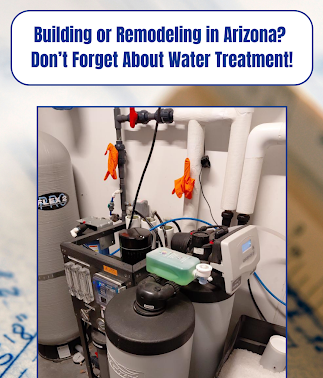
A treatment system needs more than an empty corner. It needs a suitable location, the right connections, and enough access to maintain it.
For example, A. O. Smith’s commercial softener installation instructions address water pressure, electrical supply, drain capacity, bypass plumbing, and access for adding salt. Those details affect where equipment can reasonably go.
If treatment is considered only after walls are finished and equipment is installed, the available location may require additional plumbing work or limit your options. Early planning gives your builder, plumbing contractor, and water treatment provider a chance to coordinate the layout before those decisions become harder to change.
If water treatment might be part of the building someday, make room for it today.
Why Does Arizona Water Matter for Commercial Planning?
Your water supply is part of your equipment’s operating environment.
The City of Phoenix identifies calcium and magnesium as contributors to water hardness. It also explains that hardness is an aesthetic characteristic, rather than an indication that drinking water is unsafe. For more on how hardness works across the state, see our guide to hard water in Arizona.
For a business, the question is whether the incoming water meets the needs of the equipment and applications using it, and whether you can provide a better water experience for your customers.
A commercial kitchen, a hotel laundry, and an office drinking-water station may have different requirements. Your local utility’s water quality report provides useful background, while testing at the property helps inform treatment decisions.
Every Arizona location has different needs, so each environment should be treated differently. Not all businesses will use the same system.
How Does Your Business Use Water?
Before selecting equipment, ask: What does water do inside our operation? Consider whether it will:
- Supply kitchens, dishwashers, or beverage equipment
- Feed water heaters, boilers, or other mechanical equipment
- Support laundry operations
- Serve guest rooms, restrooms, or employee drinking-water stations
- Become an ingredient in food, beverages, or manufactured products
- Supply equipment with specific water quality requirements
Then identify which uses happen at the same time. Daily consumption matters, but your busiest operating periods also need attention. Share equipment specifications, anticipated occupancy, and operating schedules with the team evaluating treatment.
For medical or specialized industrial applications, begin with the applicable equipment and process requirements.
What Space and Connections Should You Plan For?
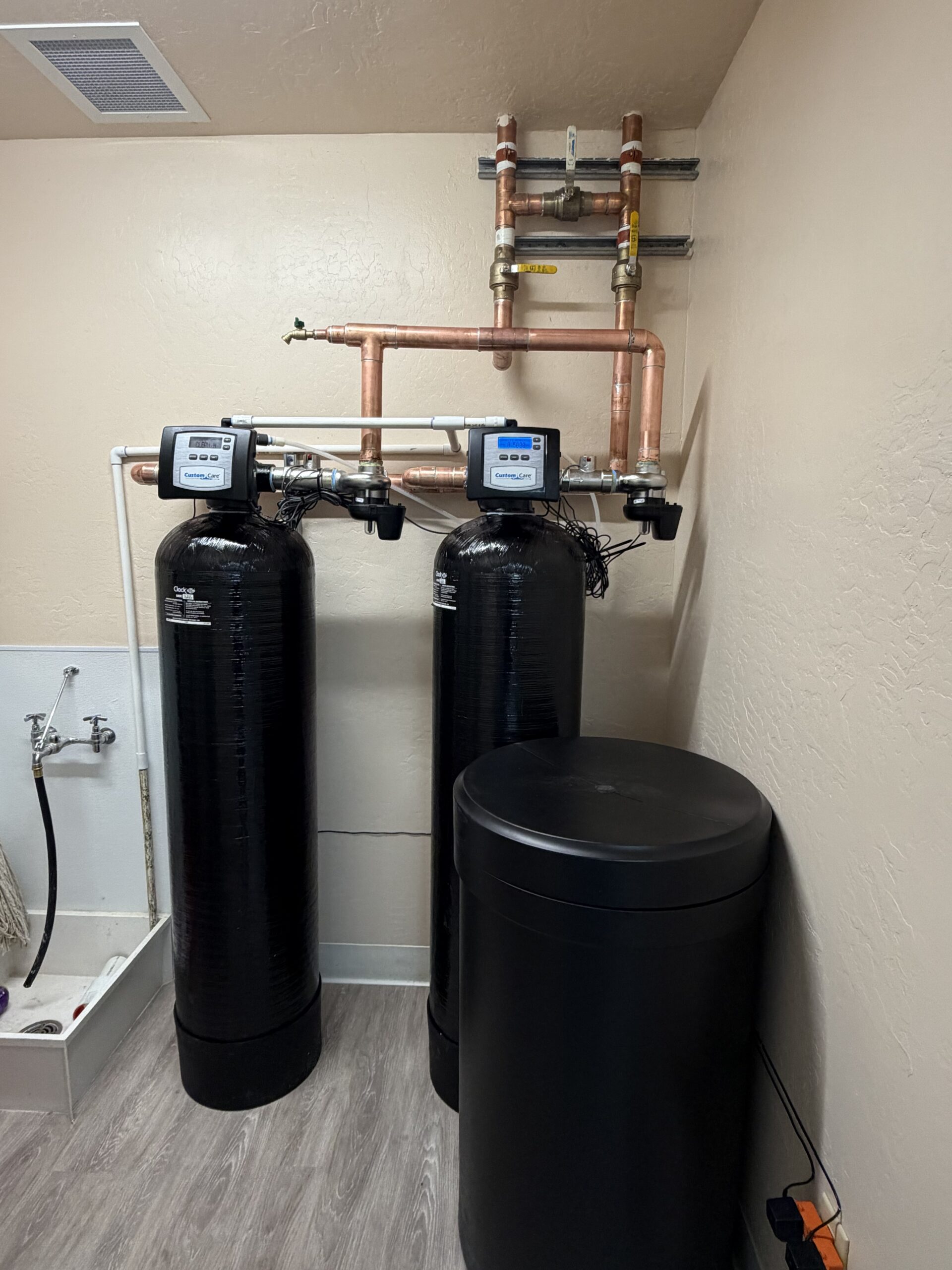
Use this checklist to guide the design conversation. Exact requirements should come from the proposed equipment specifications and installation instructions.
- Equipment footprint: Space for the complete treatment arrangement, including any supporting tanks, filters, or pumps.
- Height and service clearance: Room to access components and replace filters or media.
- Installation access: A practical route for bringing equipment into the building and removing it later.
- Water connections: Access to the main supply or the specific lines that need treatment.
- Plumbing and pressure: Connections suited to the system’s flow and operating requirements.
- Drainage: Capacity for any regeneration, backwash, or RO discharge.
- Electrical supply: Power appropriate for the selected equipment.
- Maintenance access: Space for technicians, supplies, and routine service.
- Future expansion: Room for additional equipment if demand grows.
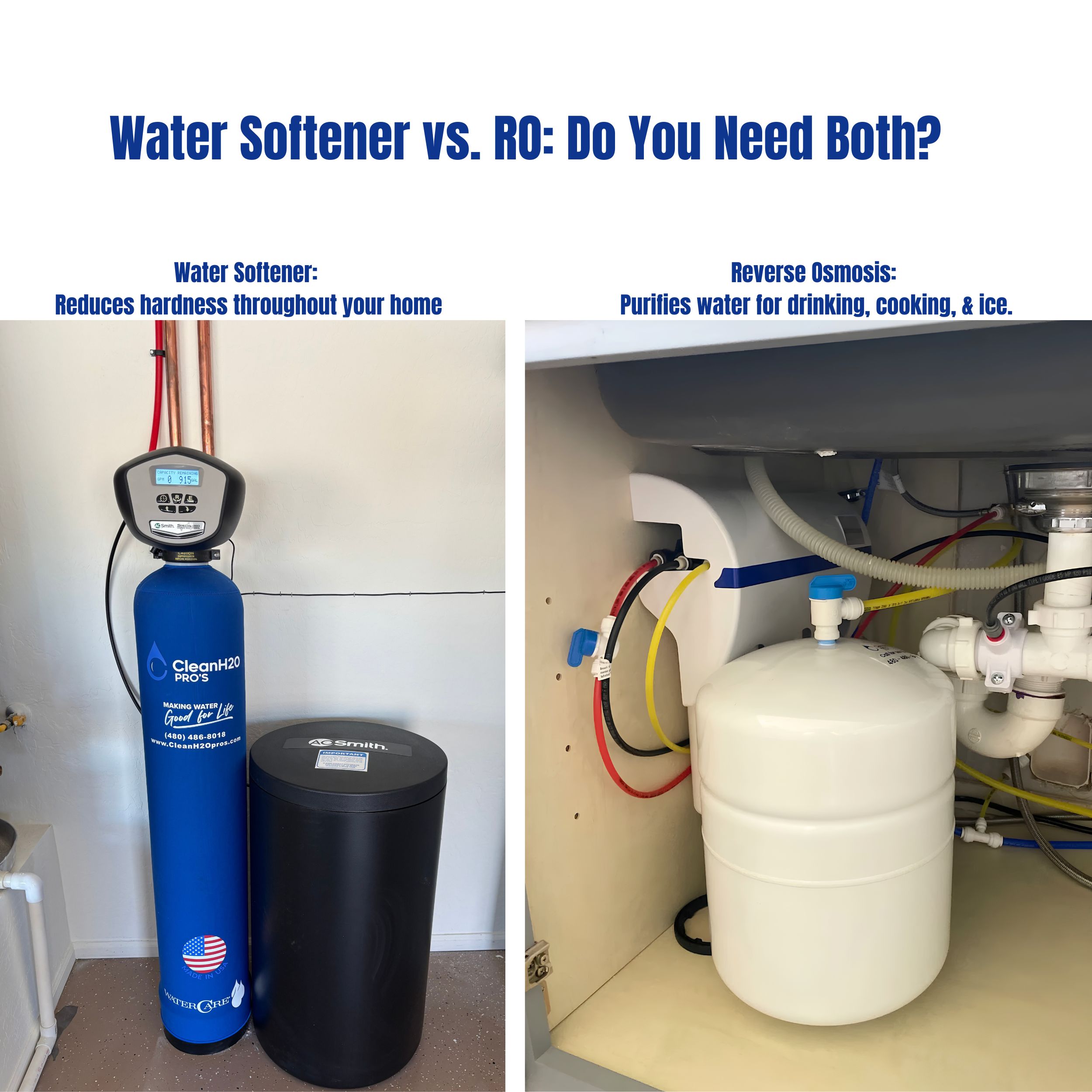
Commercial reverse osmosis systems can also require pretreatment, storage, and pumping equipment. Planning only for the RO unit’s footprint can leave out other key parts of the installation. (Not sure how softeners and RO differ? Read Water Softener vs. RO in Arizona.)
Coordinate final connections and installation details with your project’s design and plumbing professionals.
Does the Entire Building Need Treated Water?
Not necessarily. Treatment may serve the incoming building supply, a dedicated branch, or an individual piece of equipment. The appropriate approach depends on what needs to be treated and why.
That decision affects both equipment placement and plumbing routes. For example, planning drinking-water treatment for an employee break room is a different conversation from planning treatment for a hotel’s laundry operations. Defining the application first helps keep the design focused on your business’s actual needs.
Can You Plan Now and Install the System Later?
Yes. Planning ahead does not necessarily mean purchasing treatment equipment immediately. You can evaluate likely needs and identify suitable space and connections during design, then coordinate provisions for a future installation.
If treatment is deferred, revisit the plan before purchasing equipment. Tenant needs, water demand, and available systems may change. The objective is to preserve practical options while the building is still being designed.

What Should You Bring to a Commercial Water Treatment Consultation?
Bring whatever is available:
- Preliminary floor plans and plumbing drawings
- The property address and water supplier
- Existing water test results
- Specifications for equipment that uses water
- Expected occupancy, operating hours, and peak demand
- Planned expansion or future tenant needs
- Your construction or remodeling timeline
You do not need every answer before starting the conversation. An early review can help identify what still needs to be evaluated.
Frequently Asked Questions
When should I plan for commercial water treatment in Arizona?
Plan during the design phase, before plumbing routes, equipment locations, and mechanical-room layouts are finalized. Early planning helps reduce avoidable changes later.
What space does a commercial water treatment system need?
Depending on the system, you may need room for tanks, filters, pumps, service access, drainage, and electrical connections. Exact requirements come from the proposed equipment specifications and installation instructions.
Can I plan for water treatment now and install it later?
Yes. You can identify space and connections during design and coordinate provisions for a future installation. If you defer treatment, revisit the plan before purchasing equipment, since water demand and available systems may change.
Does my whole building need treated water?
Not necessarily. Treatment can serve the incoming building supply, a dedicated branch, or an individual piece of equipment, depending on what needs to be treated and why.
What should I bring to a commercial water treatment consultation?
Bring whatever you have: floor plans and plumbing drawings, the property address and water supplier, existing water test results, equipment specifications, expected occupancy and peak demand, and your construction timeline.
Plan for Your Water Before the Mechanical Room Fills Up
A commercial water treatment plan should fit your facility, your water usage, and your operation. Clean H2O PRO'S works with Arizona businesses to evaluate water quality and commercial treatment options.
Building, remodeling, or opening a commercial location? Contact Clean H2O PRO'S to discuss your plans and water treatment needs before equipment placement and plumbing routes are finalized.
Discuss Your Commercial Water Project →
Industry Expertise Behind This Article
This article was developed with input from Brandon, a senior water technician with more than 10 years of experience in the water industry, working with Arizona’s hard water and customers’ treatment needs. He works closely with Clean H2O PRO'S Commercial Project Manager Brian, who brings 25 years of commercial water treatment experience to help businesses plan treatment around their facilities and operations.
Sources
- City of Phoenix Water Services: replace with exact page URL
- A. O. Smith commercial softener installation instructions: replace with exact document URL